
I do not understand art.
Not in the way you are supposed to, anyway. I have stood in front of paintings in Barcelona, Rome, and Florence while guides talked about brushwork and perspective. I nodded along, the universal signal for “I have no idea what I am supposed to be feeling right now.”
I can now tell you what a mosaic is versus a fresco, thanks to those tours. That is about where my expertise ends. I can appreciate beauty, but it is not instinctive. It is learned. Maybe even a little forced.
And yet, somewhere along the way, I realized something surprising:
I have been collecting art this whole time. I just did not know to call it that.
It is not hanging in a gallery.
It is spread across photo albums, inside family stories, scattered through quiet moments.
The art that matters most to me does not live on canvas.
It lives in memory. It grows in value over time.
This is the story of learning what is worth collecting.
How Taste Actually Develops
Taste does not come from reading about things.
It comes from living them.
From exposure. From trial. From curiosity.
From being willing to be wrong.
Cooking taught us that first.
Our parents and grandparents cooked when we were growing up, but we did not inherit their recipes or rhythm right away. We learned by doing. By burning. By underseasoning. By over stirring. Eventually, we found joy in the process.
Somewhere between the sizzle of garlic hitting butter and the satisfaction of a perfect sear, cooking stopped being a task and became something like meditation.
Art you can eat.
Golf taught a similar lesson. For years, we thought it was slow and dull, background noise for someone else’s life. Then something shifted. Maybe it was the quiet of the morning, or the rhythm of walking between holes, or the joy of doing something new badly and watching yourself get better.
Curiosity became obsession.
Another window opened. Another taste acquired.
Those discoveries taught us something important:
You cannot know what moves you until you are open to being moved.
And that realization influences how we approach almost everything now, especially travel and family experiences.
It is why we bring our kids everywhere.
Why We Travel With Toddlers (and Ignore the Advice Not To)
We have heard the arguments a hundred times.
“Wait until they are older. They will not remember it.”
Maybe.
But we remember it.
And we see how much they remember, too.
From the beginning, we believed in giving our kids exposure to wonder, to culture, to perspective. We have taken them on international trips since they were toddlers. It was not the easy choice. Jet lag and nap schedules are not for the faint of heart.
But it has been one of the most rewarding decisions we have ever made.
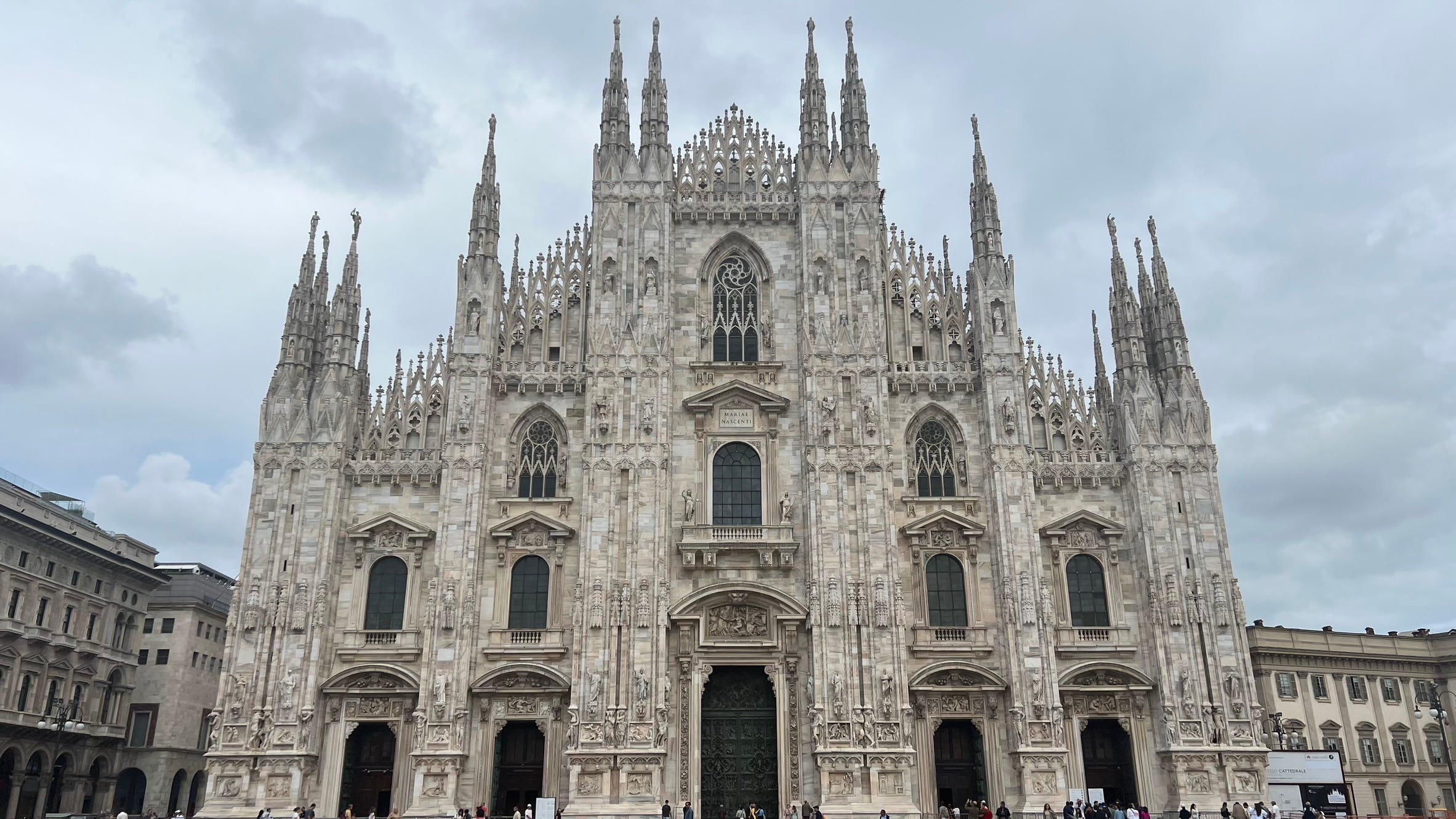
There is something powerful about watching the world through their eyes. The way they stand in front of the Duomo in Milan or the Colosseum in Rome, jaws open, faces tilted toward the sky. That is awe you cannot manufacture.
Or how they walk through the Vatican Museums, wide-eyed in the Hall of Maps, peppering us with questions about who painted what and why it matters.
We jokingly call these “core memories.”
Inside Out gave us the language, but life gave us the proof.
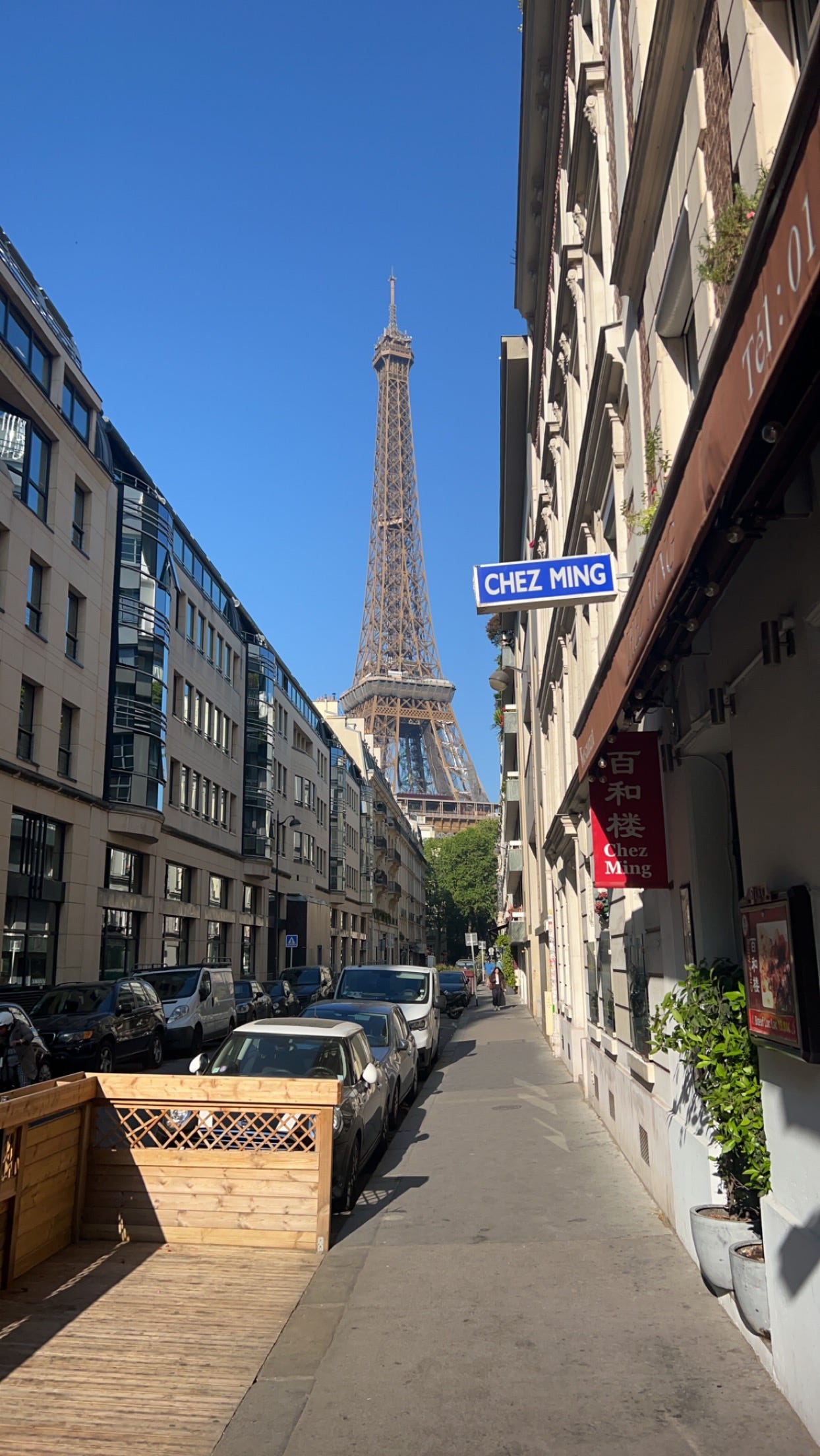
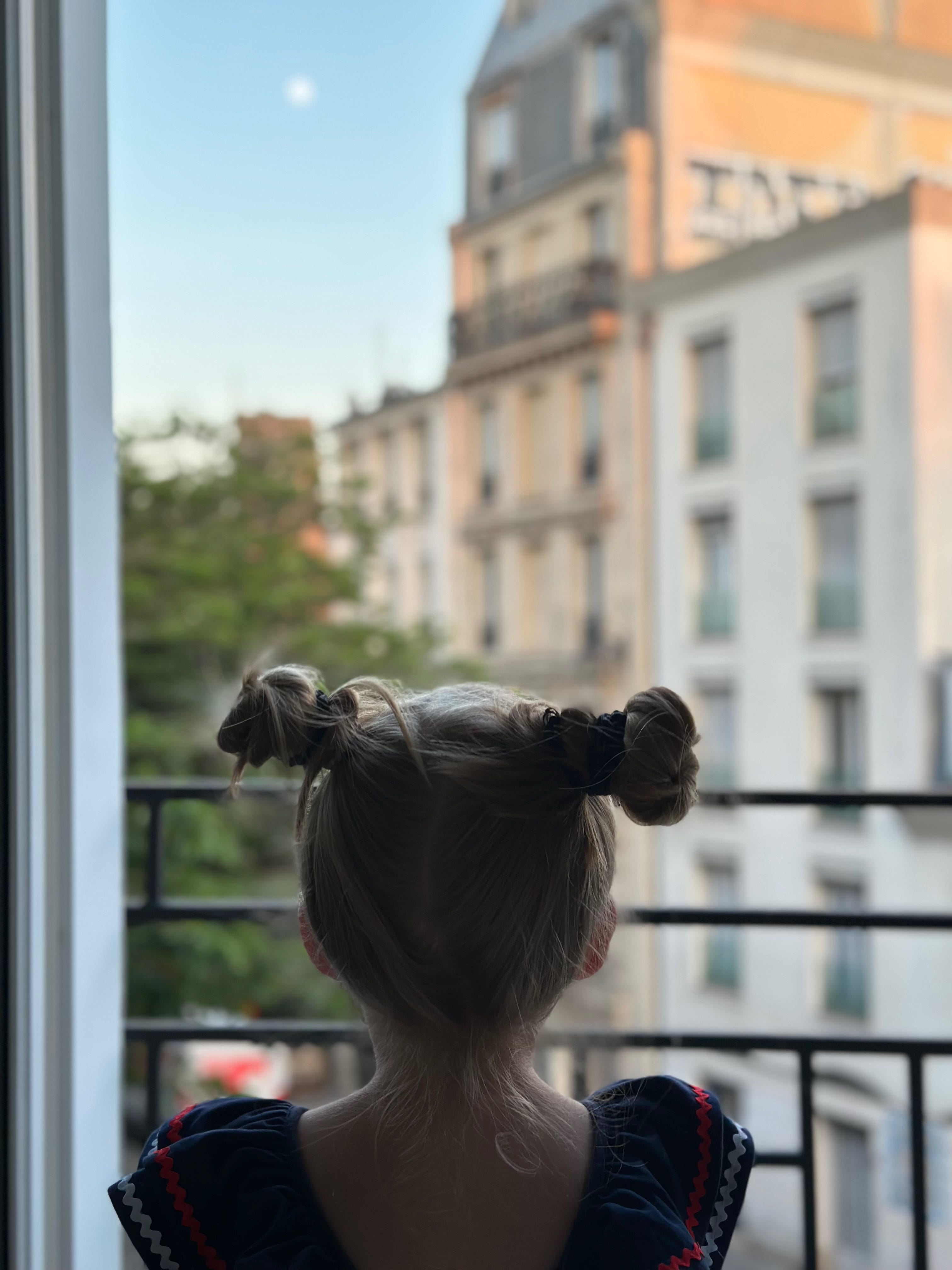
And then there was Paris.
We had been warned that Parisians do not like Americans. Maybe that is true for some, but it was not our experience. Three generations traveling together, us, our two kids, and my parents. The warmth we felt was incredible. People offered their seats on the subway. Waiters smiled at our kids. Strangers showed kindness.
It was not just the architecture, although that was jaw-dropping.
It was the humanity behind it.
And Hawaii, the image we always return to. Our kids sprinting into the ocean, waves crashing, sunset melting into the horizon. Pure joy. Unfiltered. Eternal.
Life’s art does not always hang in museums.
Sometimes it runs headfirst into the surf.
Those trips taught us more than geography. They taught us value.
The Question That Changed Everything
Somewhere along the way, we started measuring time differently.
Not in hours, but in what those hours give back.
When we were younger, we spent time the way we spent money, casually and reactively. Now we try to budget it with intention.
A new purchase loses its shine.
But a meal in Rome, simple pasta, good wine, unhurried conversation, appreciates every time we remember it.
We used to ask, “Is this worth the money?”
Now we ask, “Is this worth the time?”
Time is the real currency.
Experiences are the dividend.
The return on energy spent with intention is always higher.
The Small Moments That Feel Like Masterpieces
It is easy to romanticize the big trips.
But the smaller exchanges matter just as much.
The cashier at the grocery store trying to guess what we are cooking and getting it hilariously wrong.
Lingering in conversation with a neighbor long after the polite window has passed.
A silly card game with your spouse that somehow turns into a meaningful conversation about life.
Not every piece in a collection needs to be a Monet.
Every piece is valued.
Presence is not situational.
You do not have to cross an ocean to find meaning.
Sometimes it is waiting between errands, disguised as a moment of kindness.
Those moments? The ones where the world briefly syncs up? They feel like art.
What We Choose to Hang on the Walls
We still appreciate tangible things.
Beautiful design, true craftsmanship, the weight of something built to last.
But they have become supporting pieces, not the centerpiece.
When we were younger, the question after any purchase was always:
What is next?
Today, that question sounds different:
What is the next chapter we get to write together?
It is not rejection.
It is remembering what deserves to come first.
The joy of an object is momentary.
The joy of a memory is cumulative.
Maybe maturity is learning to treat your time like a gallery. Every moment intentional. Every blank space deliberate. Choosing not only what to hang, but what to leave out.
Our Living Gallery
Most nights, our TVs are not playing shows.
They are playing slideshows.
Photos from trips loop quietly through the rooms. Nice. Monaco. Manhattan.
Small smiles. Big laughs. Fleeting moments.
They are not trophies.
They are touchstones.
We keep them visible because they remind us what we have chosen to collect.
When friends come over, the slideshow becomes the backdrop.
Pizza cooking in the Gozney. Dough and smoke mix with garlic and basil.
Kids running through the backyard. Adults drifting between stories and refilling glasses.
Someone glances at the TV.
“That is gorgeous. Where was that?”
We smile.
“Paris. Last summer.”
The story begins again. The meal. The moment. The laughter.
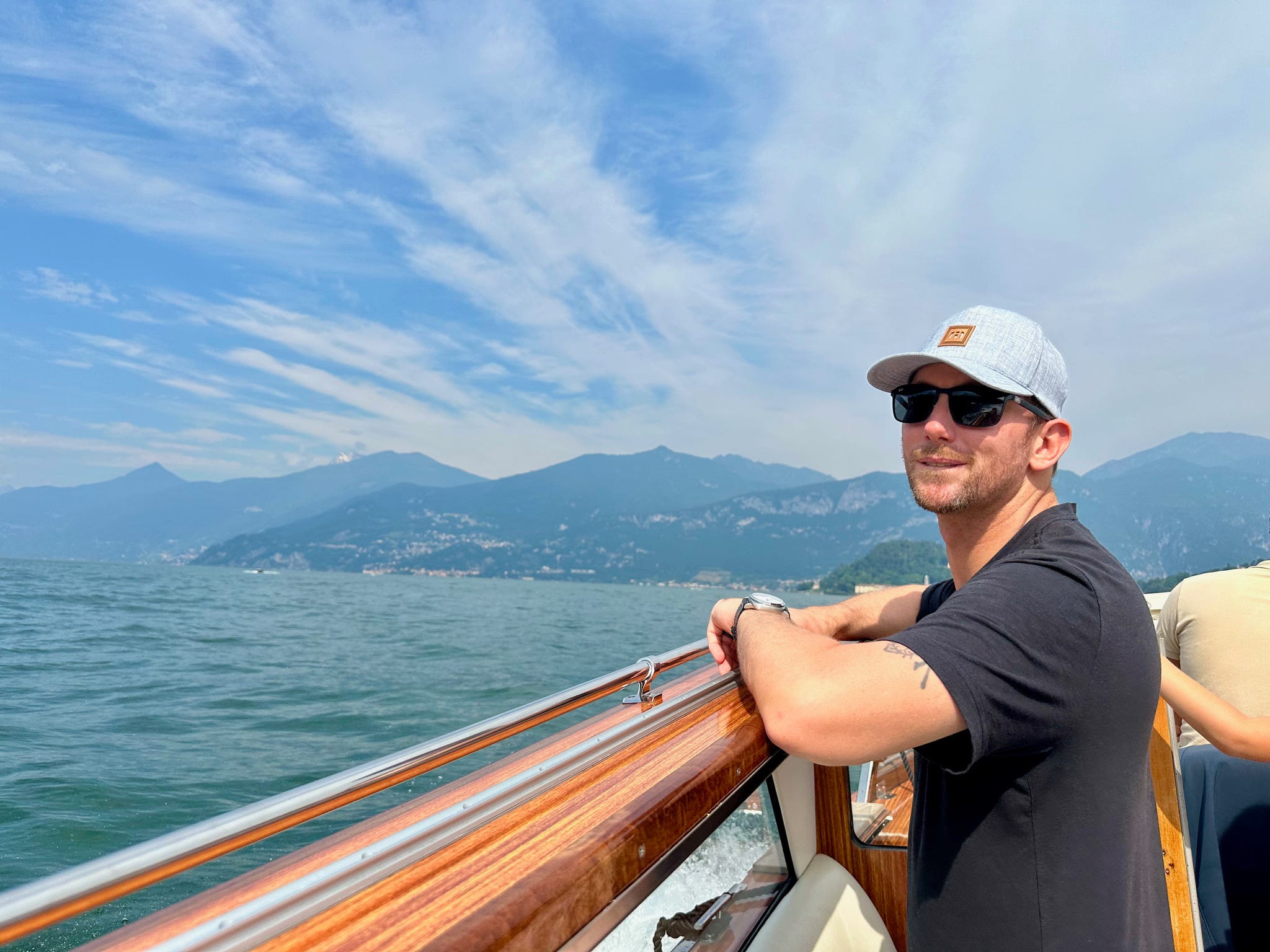
The slideshow fades to a photo of our kids on a dock in Lake Como.
Conversation softens.
The room exhales.
Warm. Quiet. Alive.
What Curation Really Means
If there is a lesson here, it is simple.
Curation is the real luxury.
Collecting experiences like art means learning what to hold onto and what to let pass. It means paying attention to what matters.
We are not perfect at it. We still get swept into the noise of life. We still waste time. We still buy things we do not need.
But every time those photos appear, we are reminded:
This is the good stuff.
This is what endures.
The art we collect does not hang on our walls.
It hangs in our minds and hearts.
In memories. In stories. In the quiet confidence that we are spending our time well.
We pour one last glass of wine.
We look around at the people we love.
This is our gallery.
This is the art we collect.
Till next week,
—Stephen
Excellent piece