
Most people see cooking as a chore. A necessary evil between work and sleep.
I’ve learned to see it differently.
I get to cook tonight. Not have to. Get to.
That reframe changes everything. And it started with the simplest lesson my grandfather ever taught me: “Always have the right tool for the job.”
What My Grandfather Really Meant
He wasn’t just talking about tools.
He was talking about fit. Approach. Preparation. Having a plan, and having the gear to match it.
That lesson stuck with me long after he was gone. It shows up in how I invest. In how I think about purchases. In how I approach problems at work.
And lately, it’s shown up most clearly in the kitchen.
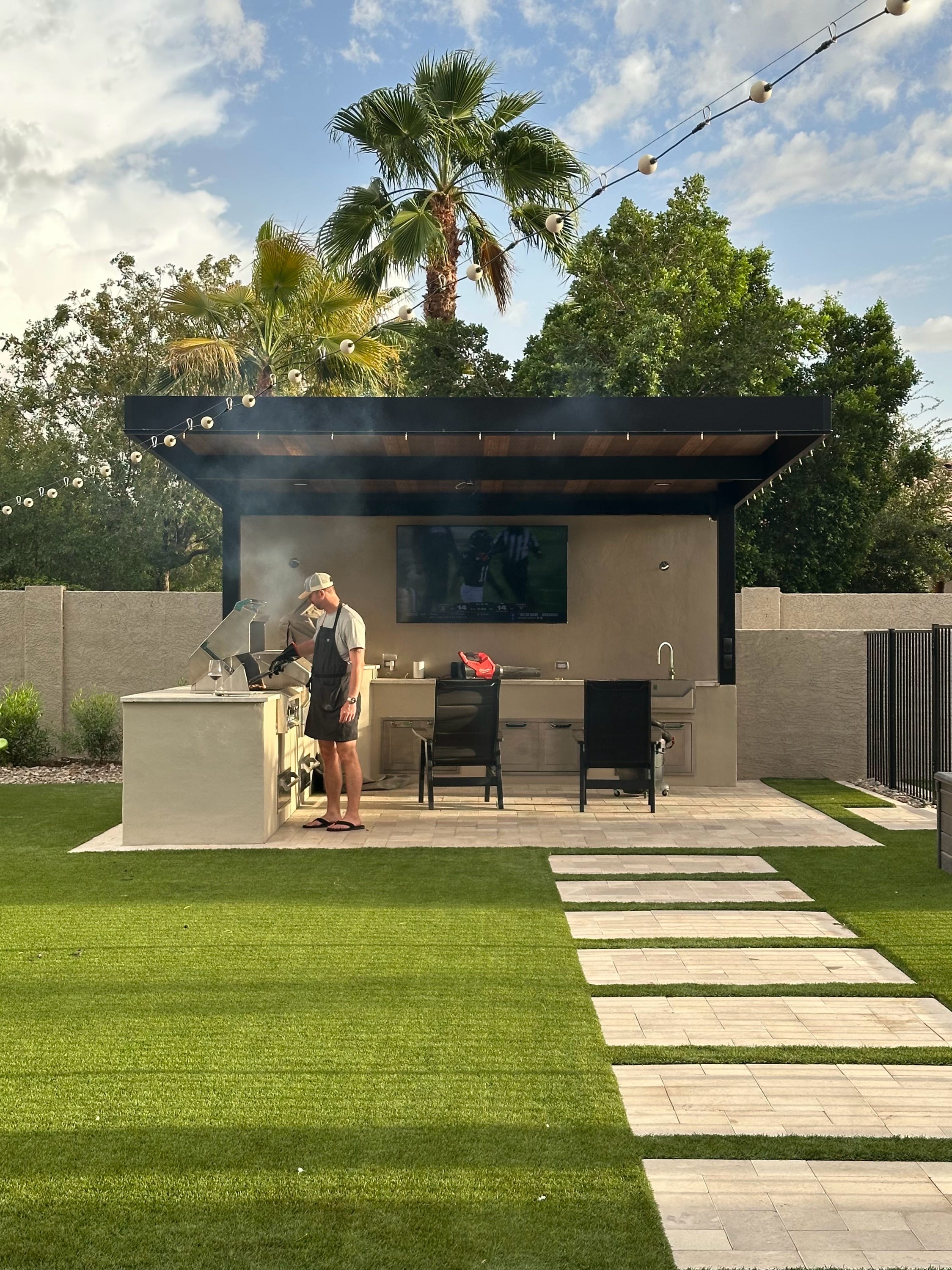
When I fire up the Gozney for pizza, or put a chicken on the Memphis grill, or heat up a cast iron pan, I feel that same sense of purpose my grandfather must have felt in his workshop. Each piece is built for a specific job. Each one does it exceptionally well.
That confidence—knowing you have exactly what you need—changes how you show up. It’s in the food, yes. But it’s also in the process. Even the cleanup feels good.
There’s real satisfaction in bringing stainless steel back to a mirror finish. In seeing a cast iron surface develop that perfect black sheen from a fresh seasoning. Those moments are small, quiet, almost meditative. They’re part of what makes cooking so rewarding.
My kids see it too. They see what it means to care for your things. To enjoy the everyday work. To take pride in doing something well.
That’s a lesson I want them to carry long after I’m gone.
The Gozney, the Memphis, the cast iron: each one has changed the way I cook.
The Tools:
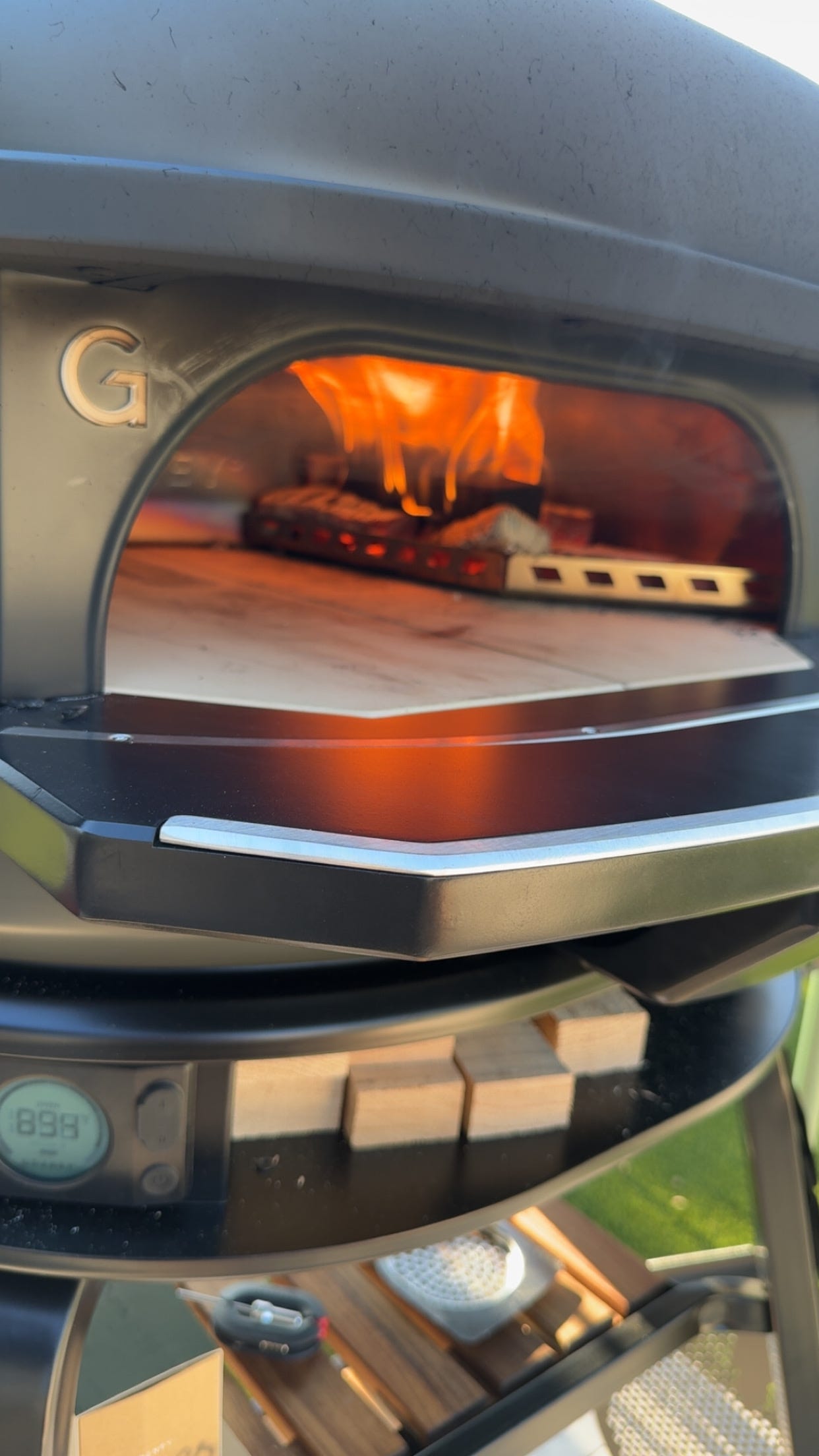
The Gozney taught me control. A regular oven can’t hit 900 degrees, and it definitely doesn’t forgive mistakes. I learned that pizza isn’t just about dough and toppings — it’s about timing, rotation, and heat. Two seconds too long can mean the difference between perfect leopard spotting and burnt crust. There’s something addictive about that precision. You have to stay present.
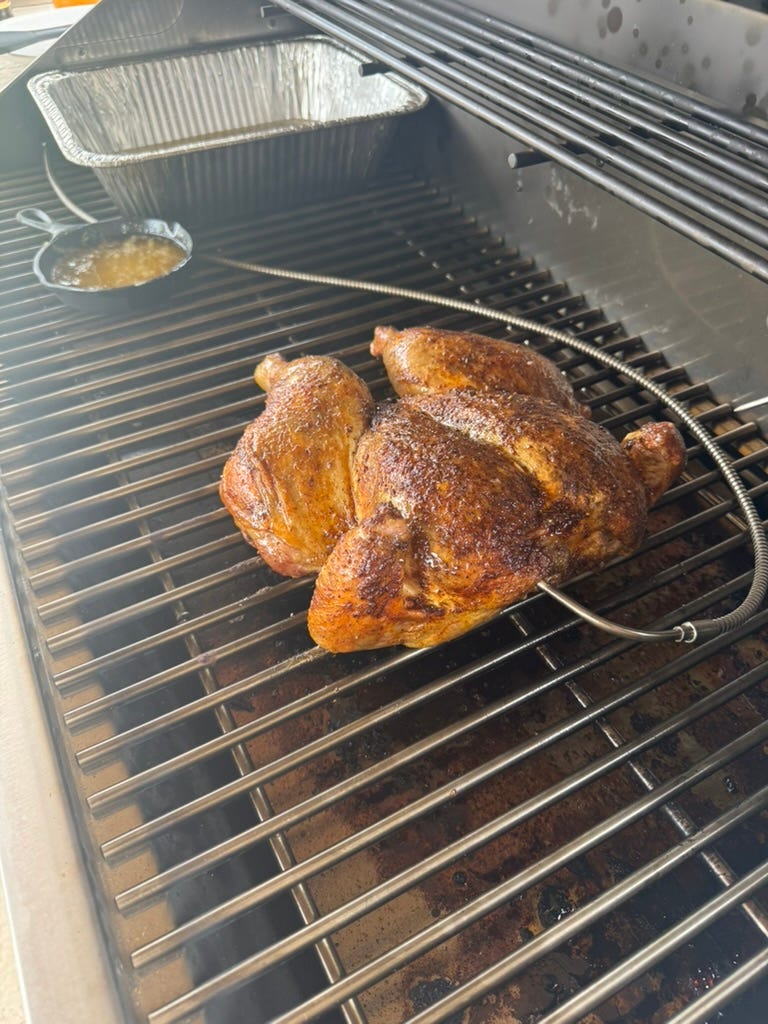
The Memphis taught me patience. It’s a pellet grill that holds temperature like a lab instrument, but that doesn’t make it automatic. I’ve learned the nuances of airflow, moisture, and smoke. That good barbecue is as much about restraint as it is about seasoning. My go-to meal to cook on it is pulled smoked chicken, low and slow until it practically falls apart. Every use reminds me that mastery can’t be rushed.
The cast iron taught me care. It’s the opposite of plug-and-play. You earn its trust. At first, I ruined a few eggs and burned a few sauces, but once I learned how to season it properly, it became second nature. There’s a rhythm to maintaining it, a ritual act of focus and precision. The act of cleaning it, oiling it, and the slow demand of its heat. That surface, when done right, is like a promise: take care of me, and I’ll take care of you.
How It Started: COVID and the Permission to Learn
Like everyone else, COVID locked us down. Unlike everyone else, I decided to treat it like an apprenticeship.
I started following recipes to the letter. Learning techniques. Building a base. I made mistakes—lots of them. (For the record: I learned early that I don’t like tarragon. At all.)
But over time, something clicked.
I stopped needing the recipe. I started freestyling, swapping herbs, experimenting with flavor, trusting instinct. I began connecting ideas. Dry-brining steaks the moment they get home. Pairing proteins with the right seasoning. Adjusting cook times for texture instead of just following the timer.
Every lesson stacked on the last.
Cooking stopped feeling daunting. It became play.
Now I’m chasing mastery, not perfection. Still an amateur, sure, but a pretty good one. I’d love to take culinary classes someday. Not to work in a restaurant. Just to deepen the craft.
The more I learn, the more I love it.
Five years ago, our kitchen was mostly functional. Just a space to get through dinner, not something to be intentional about, to find purpose or feel a sense of grounding from. We had nice appliances, but they were tools for convenience, not craft. Most nights we’d throw something together, scroll our phones while it cooked, and call it good enough.
Since then, we’ve put significant amounts of money and attention into remodeling our kitchen. We changed the layout, upgraded the tools, and made the space work with how we actually live and cook. More of that to come in a future piece, but the short version is: it changed everything. The kitchen became somewhere we want to be. A place that invites care, not shortcuts.
If the version of me from five years ago could see me now, he’d probably laugh.
Seasoning cast iron pans like they’re my own personal Rembrandts.
Salting proteins the moment they come home, just like Samin Nosrat taught me.
Patting food dry before cooking so I can get the best Maillard reaction possible (and yes, I finally learned how to spell it).
He’d think I’d lost it. But he’d also get it. Because deep down, I’ve always loved doing things well. I just hadn’t found my latest medium yet.
Mistakes That Taught Me
Of course, not everything went right. Far from it.
My first smoke on the Memphis was a pulled pork I was so proud of it, at least right up until I pulled it. It was cooked, but tough. We’d gotten hungry and rushed it, pulling it before the internal temp was where it needed to be. I learned that day that barbecue doesn’t care about your schedule. It’ll be ready when it’s ready. And if you try to force it, it’ll humble you every time.
Then there was the second time we used the Gozney, when I completely ruined a round of pizzas.I forgot to flour the peel and got impatient working the oven. The pizzas welded themselves to the surface and burned before I could fix it. That one taught me patience and setup matter as much as cooking itself. You can’t rush preparation and expect precision later.
And then there’s breakfast. It’s my job to cook before school every morning, and sometimes I’m multitasking putting dishes away from the night before, making coffee, answering an early email and I’ll overcook the eggs. My oldest and I both despise overcooked eggs. It’s such a small thing, but it reminds me that doing things well means being there for them. Presence matters.
Each of those moments stuck with me. The best cooks aren’t the ones who avoid mistakes, they’re the ones who learn how not to make the same mistake twice. Every little miss becomes part of the rhythm.
What This Teaches About Intentionality
Here’s the thing about investing in quality tools: it’s not about the gear.
It’s about committing to the process.
When you buy the Gozney, you’re not just buying an oven. You’re declaring: I’m going to get good at this. You’re building in accountability. You’re saying that pizza night matters. That feeding your family well is worth doing right.
The same logic applies to everything I write about here.
The Rolex I bought to hold. The golf clubs I’m still learning to use well. The home upgrades we’re planning with a 20-year view.
It’s not about showing off. It’s about showing up. Repeatedly. With the right tools. And the long-term intent to get better.
That’s what intentional luxury really means.
Not expensive for expensive’s sake. But thoughtful. Purposeful. Built to last. Designed to grow with you as you master the craft.
Every piece of gear in my kitchen, from the Gozney to the Memphis to the cast-iron pans, tells part of that story. I keep them clean, seasoned, and ready because they’re extensions of the craft.
They make me better. And they’ll outlast me if I care for them right.
When I say I like to show out, I don’t mean it in a flashy way. It’s not about flexing or impressing anyone, it’s about doing something well enough that it shows.
For me, showing out means care, not spectacle. It’s the quiet confidence of plating something beautifully because you respect the meal, not because you need approval. Whether it’s having people over or just cooking for my family, I focus and pride myself on it as if it were a special occasion. It’s that moment when everyone’s mid-conversation, forks down, and someone finally says, “This is incredible.” That’s not just validation. It’s connection to the core.
Sometimes, my eight total friends on Snapchat get a front-row seat to the chaos. They’ll see the amateurism in full effect. We’re talking dough stuck to the peel, over-browned crusts, a steak that looked better in theory than in practice. Sometimes it looks great. Sometimes it’s comical. But either way, it’s honest. Showing out is more for me than anyone else. It’s a way to document the doing. Plus, proof that I’m in the work.
Like the night I smoked a chicken on the Memphis for the Bears game. It wasn’t anything fancy, just dinner, but it was done with intention. The timing hit perfectly, the flavor landed, and we all commented how good it was. It felt good because I knew why it turned out that way. That’s showing out. Not for anyone else’s applause. Just the satisfaction of doing something with care, even on a weeknight.
That’s the difference. Showing out is about pride in the process, the quiet luxury of care, the line between attention and intention. It’s not performative. It’s personal. Because doing things well, whether it’s cooking, cleaning the grill, or setting a table, isn’t about who sees it. It’s about who feels it.
The Family Dinner Table
Somewhere along the way, the dinner table became one of our favorite places in the house.
Before I started cooking seriously, either my wife or I would begrudgingly cook, and dinner was usually quick, whatever was easy, convenient, or takeout-friendly. We’d eat, talk a little, and move on. But now, there’s rhythm and ritual to it. The meal itself feels earned. I’ve noticed my wife has embraced it too when she cooks. There’s a shared pride in the process.
The kids pick up on that energy. They notice when something’s cooked just right or plated differently. My oldest will ask what seasoning I used. She’s a foodie. Or whether I cooked something on the Gozney or the Memphis. They’re starting to care about the how, not just the what. That feels like a win.
They’ll usually ask, and sometimes they’ll actually help. Brushing oil on vegetables, stirring a sauce, tasting the chicken to “check doneness.” Their favorite line to ensure they get it all is, “Don’t eat it, it’s poison.” It’s not about perfection; it’s about participation. They’re learning that effort and care change the outcome. That quality doesn’t happen by accident.
We’ve even built a few small traditions around it. Sunday dinners usually mean something slow and full of care. A braise, a slow-cooked protein, something that takes its time. The kind of meal that fills the house with good smells and makes everyone linger a little longer. We’re usually all orbiting the kitchen, or the outdoor kitchen, talking, tasting, and waiting together while it comes to life.
And that’s really what I want them to remember. Not just that Mom and Dad cooked, but that we cared. That we valued doing things well, eating well, and being together. That dinner wasn’t just fuel; it was a moment.
The Economics of Quality
There’s a financial logic to all of this, too. A framework that makes as much sense on a spreadsheet as it does in practice.
Take the Gozney. It wasn’t cheap, but if I use it twice a week for the next ten years, that’s over a thousand meals. Even with ingredients and upkeep, the cost per meal ends up well under five dollars. You can’t eat out anywhere close to that. Especially not with the quality or satisfaction that comes from making it yourself.
The Memphis tells a similar story. A nice dinner out for a family of four can easily hit $150–200 with tip. That same amount spent on brisket, chicken, or ribs feeds us multiple times over. And teaches me something in the process. Each meal is another rep, another chance to improve. Over time, the returns compound.
That’s how I think about it: compounding skill instead of compounding convenience. Most people trade money for time. I’d rather invest time in something that makes the time itself more valuable. Like learning to cook well.
And then there’s cast iron. I love it because it’s alive in a way other cookware isn’t. I don’t use nonstick pans for a few reasons, but mostly because cast iron rewards care. It’s almost like a living, breathing thing. You take care of it, and it takes care of you. The seasoning builds over time, the surface gets better with age, and every cook adds a layer of history. And sometimes, like us, it just needs a reset. When that happens, we strip it back, start again, and build from zero. Each time, it comes back stronger. A little more seasoned, a little more ours.
That’s what I love about all of it. The practicality, the durability, the return on care. Buy the right tool once, take care of it, and it’ll serve you for life. The payoff isn’t just financial. No, it’s behavioral. You use good things more often because they work better, which deepens both skill and satisfaction.
It’s all part of the same philosophy that drives how I think about money, work, and life in general: intentional allocation. Not spending for status, but spending for longevity, use, and return.
How Cooking Changed How We Travel
This mindset has even changed how we experience restaurants.
When we’re out on a trip or trying a new place, I can’t help but notice the details. How the kitchen is laid out. How the food is plated. How the chef moves.
We’ll sit at the counter when we can and just watch. The rhythm. The organization. The precision. It’s choreography.
It’s not about judging. It’s about appreciating. Seeing behind the curtain makes the experience richer.
I recognize the intention in the smallest details. The quiet mastery in repetition done well. The same principles I’m learning at home, executed at a level I’m still chasing.
That kind of travel, where you’re not just consuming, but learning, fits perfectly into the intentional luxury framework. Quality over quantity. Experiences that teach you something. Memories that compound.
The Real Joy Is in the Doing
At home, there’s rhythm everywhere. Tossing scraps into the composter while I cook. Keeping the surfaces clean. Caring for the tools. Every part of the process has purpose.
That’s what I love most.
Not the finished dish. Not the compliments from my family (though those are nice). But the doing. The showing up. The quiet confidence that comes from having the right tools and knowing how to use them.
That’s the joy my grandfather was talking about all along.
And it’s the kind of luxury I want to keep building. Thoughtfully, intentionally, for the long haul.
What I’m Still Learning
The more I cook, the more I realize how much there still is to learn.
Right now, I’m focused on the fundamentals: building better knife skills, learning to break down proteins cleanly, and mastering the rhythm of sauces and reductions. I’ve been working on timing too.Juggling multiple elements so everything lands hot and ready at once. On a good night, it feels like conducting an orchestra. On a bad one, it’s barely-controlled chaos.
I’ve been reading more, too. Salt, Fat, Acid, Heat by Samin Nosrat taught me a ton about balance. Not just of flavor, but of approach. I’m also trying to get through The Art and Science of Foodpairing and The Elements of Baking, though I haven’t made much progress yet. Still, I love understanding the why behind what works. The science makes the art more rewarding.
I’m drawn to exploring cuisines that emphasize process and patience. French technique, Japanese precision, and the soulful slowness of Italian cooking. Each one expresses care in its own way, and that’s what I’m chasing.
If I think ahead five or ten years, mastery for me isn’t about perfection. It’s about ease. The kind of quiet competence where the process feels second nature. Where I can improvise confidently, teach my kids how to do it, and still find joy in the repetition.
A Few Questions I’m Asking
What tools have you invested in that changed how you approach something?
Where in your life are you chasing mastery instead of perfection?
What everyday task have you learned to love instead of resent?
What lesson did someone teach you young that’s showing up now in unexpected ways?
Hit reply if this resonates. I’d love to hear what you’re learning to fall in love with.
— Stephen
My mother was one of 8 siblings. She had 3 sisters who all liked to cook together. They would spend hours on the phone (in the evening when rates were cheaper) reading recipes to each other. If one bought a cookbook, she always purchased 3 more so they could all have one. All of our relatives lived in Chicago, but we lived in a tiny rural community. Our kitchen was teeny tiny, but my mother learned to produce mouthwatering meals and delicious baked goods in that space. Whenever my aunts would visit, all 4 of them could always be found in the kitchen. There was no room for me, so my mom would let me sit under the kitchen table just to be with them. I loved listening to them enjoy each other’s company. They gossiped, told funny stories, remembered relatives long gone, but always while cooking. Each of them deferred to the others for taste or doneness. Each sister would give her input about the dish in question. They all listened intently to everyone’s opinion, never mocking or disagreeing. Under that table I learned the difference between critiquing and criticizing. One builds relationships, the other tears down. While it would be many years until the meaning of that experience became ingrained in me, I’ll never forget sitting under the table.